Practical Ways to Integrate Cross-Curricular Learning with Strawbees
1. Project-Based Learning Activities
Engineering and Art:
Challenge learners to design kinetic sculptures, integrating art and physics lessons to explore concepts like balance and motion, an activity that supports cross-curricular STEAM learning.
Programming and Maths:
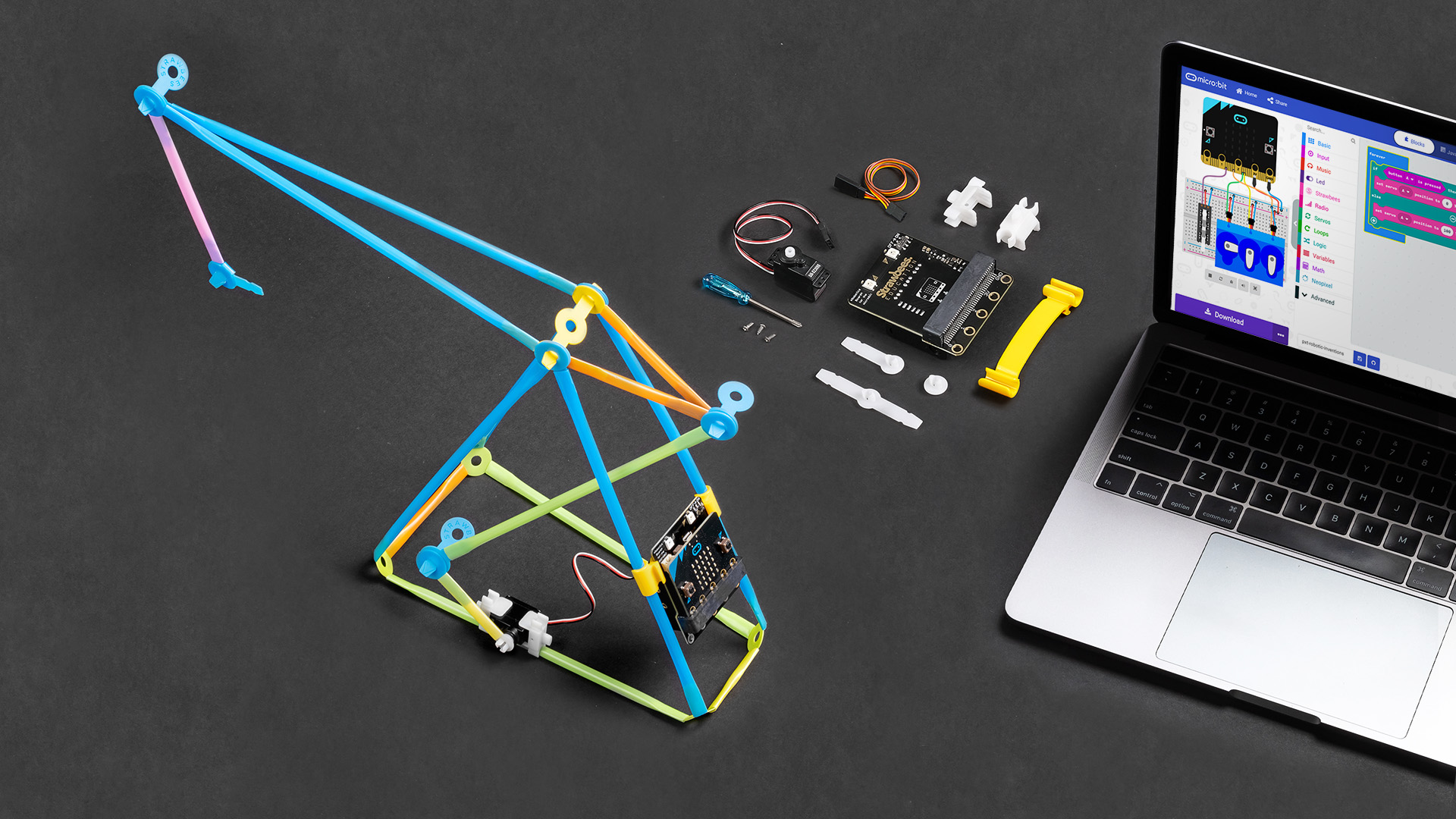
Use Strawbees and micro:bit to create programmable structures,
teaching coding basics while applying mathematical concepts such as geometry. This demonstrates the benefits of cross-curricular STEAM in real-world applications.
2. Curriculum Integration
Science and Technology:
Encourage learners to build models of ecosystems while programming sensors to monitor environmental conditions, combining biology and computer science. This approach showcases effective STEAM education.
History and Engineering:
Task learners with reconstructing historical structures, merging historical research with engineering principles. This is a practical example of interdisciplinary learning in schools.
3. Collaborative Learning Projects
STEAM After-School Clubs:
Establish after-school clubs where learners collaborate on projects, helps to develop teamwork, creative problem-solving and is an excellent way of integrating STEAM in education.
Maker Space Activities:
Create a classroom maker space for learners to explore, tinker, and innovate across disciplines. This setting promotes hands-on STEAM learning and supports educational STEAM initiatives.
Professional Development for Educators
To fully realise the potential of integrating STEAM in education, ongoing professional development is essential for UK educators. Consider the following:
Workshops and Seminars:
Host or attend sessions focused on STEAM education programs and cross-curricular learning.
Online Courses:
Platforms like
Strawbees Classroom
offer flexible, tailored resources for teachers to develop cross-curricular lesson plans.
Collaborative Networks:
Join educational forums or social platforms to share resources and insights with other STEAM professionals.
To fully realise the potential of integrating STEAM in education, UK educational leaders must champion ongoing professional development. Providing educators with the tools and knowledge to implement cross-curricular learning and ensuring that schools remain innovative and relevant in a rapidly changing world.
Lesson Plan Example: Building a Sustainable City (available on Strawbees Classroom)
Objective:
To design and construct a model of a sustainable city, integrating engineering, environmental science, mathematics, and art.
Materials:
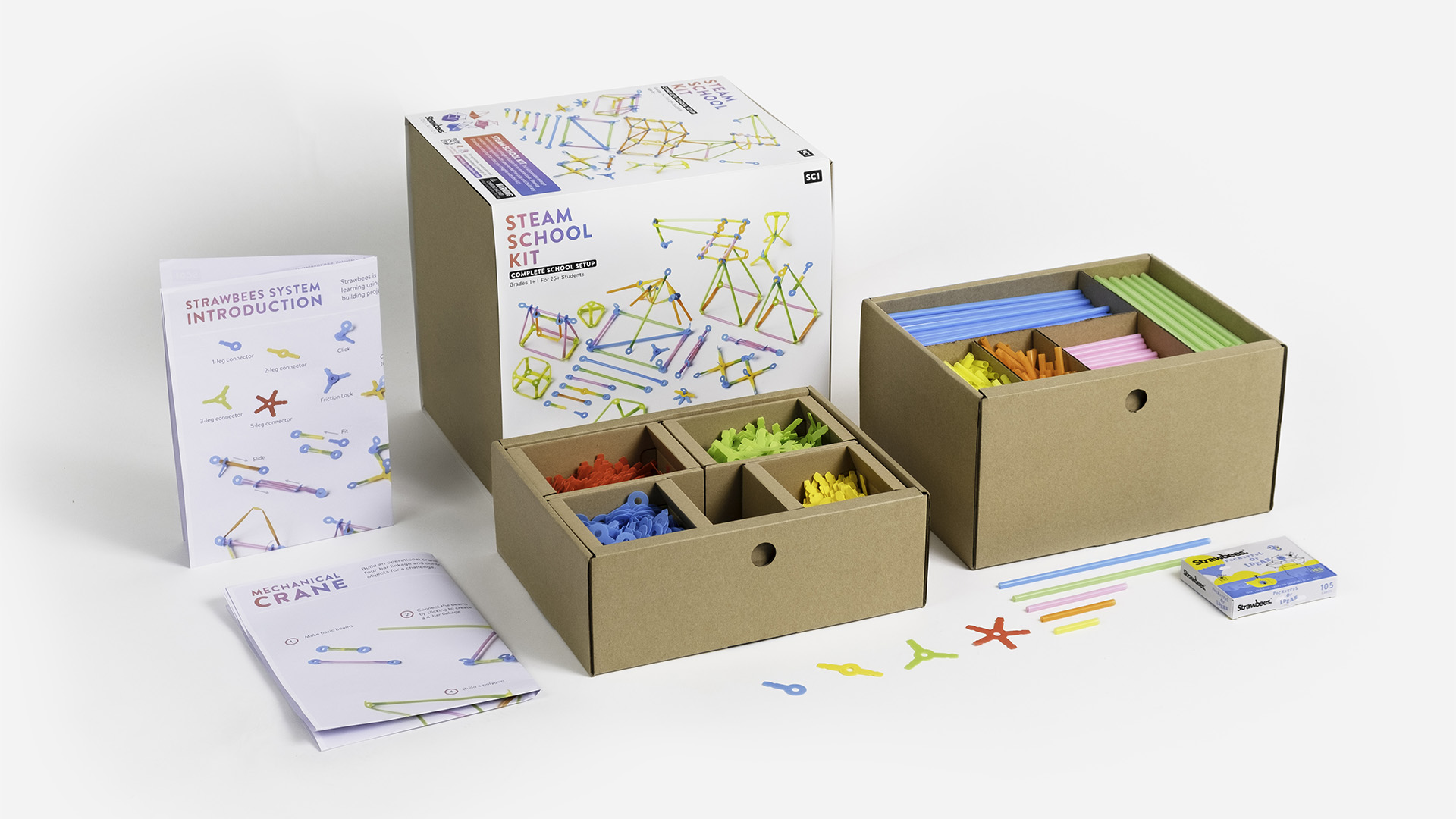
Strawbees kit
,
micro:bit
or programmable controllers,
Recycled materials,
Art supplies.
Procedure:
Research and Planning:
Learners research sustainable urban planning and renewable energy principles, then design a city layout incorporating housing, transportation, and green spaces.
Design and Build:
Using Strawbees and recycled materials, learners create city models with programmable renewable energy structures, promoting cross-curricular learning through STEAM.
Presentation and Reflection:
Learners present their models, explaining their cross-curricular knowledge and reflecting on their problem-solving processes, illustrating holistic learning.
Why Cross-Curricular Learning Matters for UK STEAM Education
Cross-curricular STEAM learning enhances academic skills and prepares UK learners for the complexities of the real world. By adopting an integrated teaching approach and using innovative tools like Strawbees, educators can create dynamic learning environments that are both engaging and relevant.
This method supports academic achievement, develops creativity and innovation, and equips learners with the 21st-century skills they need for a successful future. As UK schools start to champion STEAM educational learning, cross-curricular learning will remain essential for preparing learners to tackle the challenges of tomorrow.
Getting Started with STEAM and Coding in Classrooms: A Guide for Educators
Content: Developing 21st-Century Skills in STEM/STEAM Learning